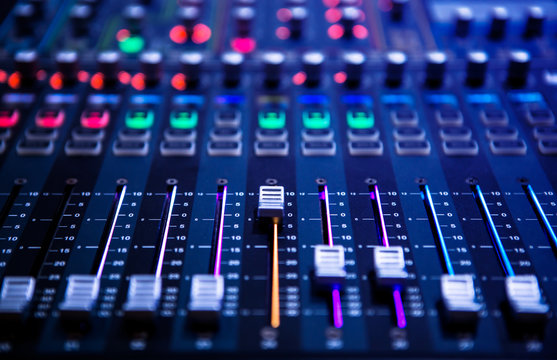
What is a technical rider, and who actually reads it
The technical rider is the document, usually provided by the artist's team, that decides whether your show opens on time. What belongs in it, what does not, and who is actually on the hook for each section.
A technical rider is the document that tells a venue exactly what an act needs to make sound and light happen. The input list, the stage plot, the power, the backline, the monitor setup, the console preferences, and the crew and clock it takes to load all of it in. It is not the catering. It is not the deli tray or the case of one specific brand of sparkling water. That belongs to the hospitality rider, a separate animal that lives in a separate document for a reason. The technical rider is the part that decides whether the show opens on time or the doors hold while your A1 is still on hands and knees chasing a hum.
Here is the uncomfortable version. Most technical riders are copied off a template, half of it is a year out of date, and the person who most needs to read it gets it forty minutes before the first truck backs in.
What actually lives in one
Strip away the letterhead and a real technical rider is a short stack of specific documents. An input list, channel by channel, kick through vocals, with mic preferences and stand types. A stage plot that shows where the humans and the boxes go, drawn to something resembling scale. A monitor section that says how many mixes, how many wedges, how many in-ear feeds, and who is driving them. A power spec, because a band pulling four amps and a full backline needs to know the venue can feed it without browning out the LED wall. Backline, the gear the act expects to find waiting rather than truck in. Console preferences at both FOH and monitors. And a schedule: load-in, sound check, doors, set length, out.
That schedule is the part people skim, and it is usually the part that burns them.
What does not belong in it
Catering is not a technical requirement. Neither is the green room, the towel count, the parking passes, or the request for a specific tequila. All of that is hospitality, and it goes in the hospitality rider so the production manager can read the technical document without wading through a beverage list to find the amperage. Payment terms, cancellation language, and insurance sit in the contract, not the rider. When those things get jammed together, the electrical spec that could hurt someone ends up two lines below a note about oat milk, and both get the same amount of attention. Which is to say, none.
The other misconception: a rider is not a wish list. It is a description of what the act actually travels with and actually needs. A three-piece that pads its rider with a 48-channel input list it will never fill is not being thorough. It is training every production manager who reads it to stop trusting the document.
Who is on the hook for each part
The rider gets written by the act’s side, usually the tour manager or the front-of-house engineer, sometimes both arguing over the same PDF. Once it lands, ownership splits. The venue’s production manager owns the whole thing coming true. The house A1 owns FOH and the input list. The monitor engineer, if there is one, owns the wedges and the IEM feeds. The lighting director owns the plot and the power that runs it. Stagehands own the load-in clock. Nobody owns the parts nobody read, which is the entire problem.
The moment all of this gets sorted is the advance. That is the phone call or the email thread a week out where the tour side and the venue side walk the rider line by line and find the places it does not match reality. A good advance is boring. A skipped advance is how you end up improvising at 6am.
Who actually reads it
The best answer to that question is still Van Halen. Their touring contract carried a clause, buried deep in the technical rider, demanding a bowl of M&Ms backstage with all the brown ones removed, under pain of forfeiting the show with full pay. For years it read as pure rock star excess. It was the opposite. The band was hauling nine trucks of production into venues that had never seen anything that size, and the rider was full of load-bearing specs about girders, floor loading, and power. The M&Ms were a tripwire. If David Lee Roth walked in and found brown ones in the bowl, he knew the promoter had not read the rider carefully, and the crew did a full line check of the actual dangerous stuff. As Alex Van Halen put it, if they did not bother with this, what else did they not bother with. The story is well documented, confirmed by the band and picked apart by Snopes, and it is the single best lesson in the trade: the rider only works if someone reads it.
Two ways that plays out.
A 400-cap club, one engineer covering both FOH and monitors off a 16-channel analog board. The rider that shows up, copied from an arena run, asks for 32 monitor mixes and four IEM feeds. There is no world where that happens on that console, and everyone finds out during sound check instead of during the advance, which means the band gets three wedges and a shrug and plays the set annoyed.
A corporate ballroom, 800 heads, load-in called for 6am with the rider allotting three hours. Reasonable, except the venue has no dock. Everything comes up one freight elevator that holds a single road case at a time, and there are 22 of them. That timeline was written for a building with a loading dock, and nobody checked. Doors slip, the client is standing in the lobby, and the story becomes about the elevator forever.
Make yours the one people trust
Put the deal-breakers on page one. Power, channel count, real load-in time, anything that ends the show if it is wrong. Date the document and give it a version number so the venue knows they are not executing last spring’s plot. Cut anything you do not actually need, because every fake requirement makes the real ones cheaper. Send it early enough that the advance has somewhere to go. Then follow up, because a rider sitting unread in an inbox has the same production value as no rider at all.
A technical rider is not a formality and it is not a flex. It is a promise about what the room has to do before the first downbeat. The acts and the venues that treat it that way are the ones whose shows start on time. The rest are still looking for the guy with the key to the freight elevator.